SPACES TO GROW IRAQ
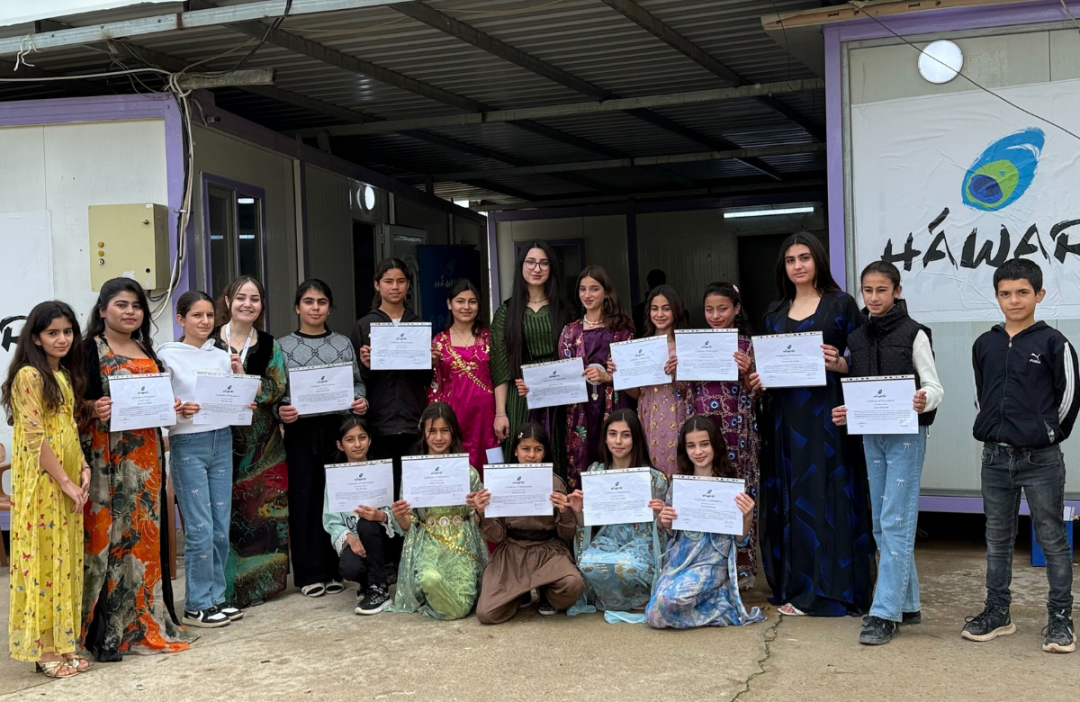
For children, growing up in displacement camps often entails not having appropriate access to educational facilities and materials, recreational spaces, or even quiet spaces to study. In Sharya Camp for internally displaced persons (IDPs) in the Kurdistan Region of Iraq, over 3,000 displaced children and youth face daily challenges due to trauma, limited educational opportunities and a lack of safe and stimulating spaces for learning outside the classroom. This has major outcomes on their academic progress and leaves them with few opportunities to explore their creativity and develop life skills, ultimately increasing their vulnerability.
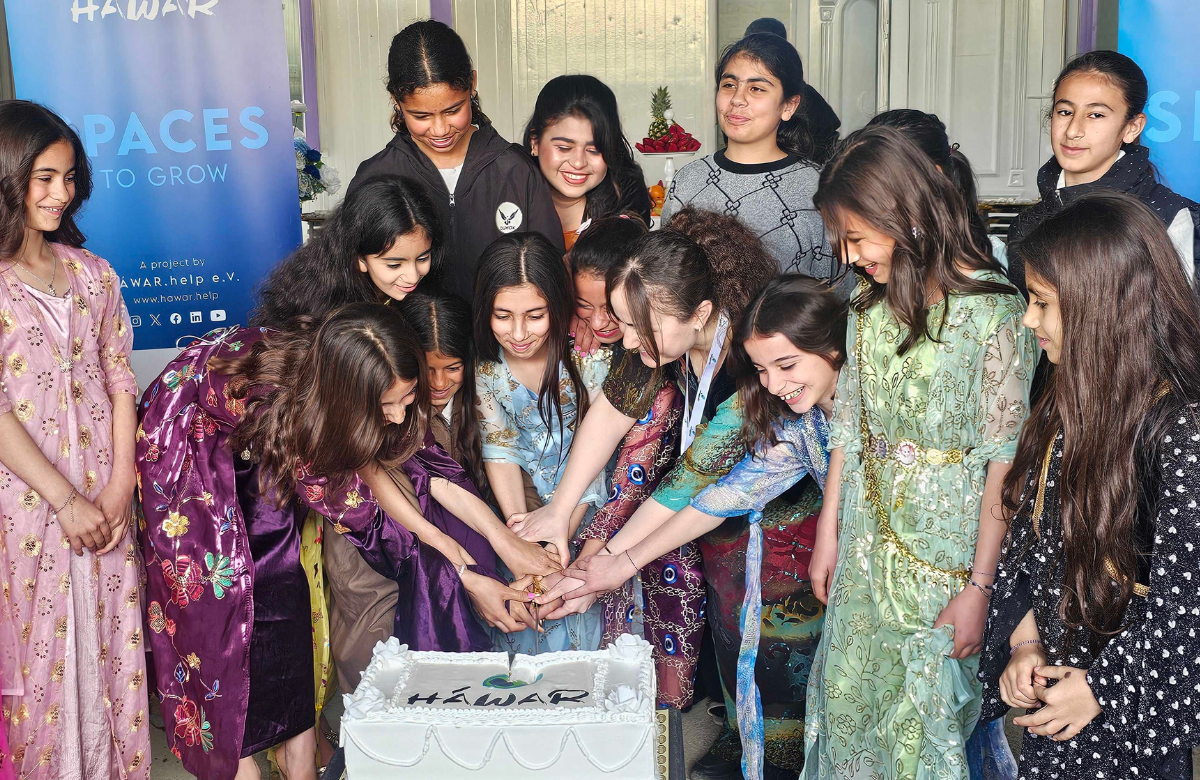
Our project SPACES TO GROW builds on our work with the Sharya community since 2022 and supports internally displaced children’s emotional wellbeing and access to education by offering them safer, inclusive, and innovative spaces for learning, enabling them to foster creativity and resilience, and explore new ideas.
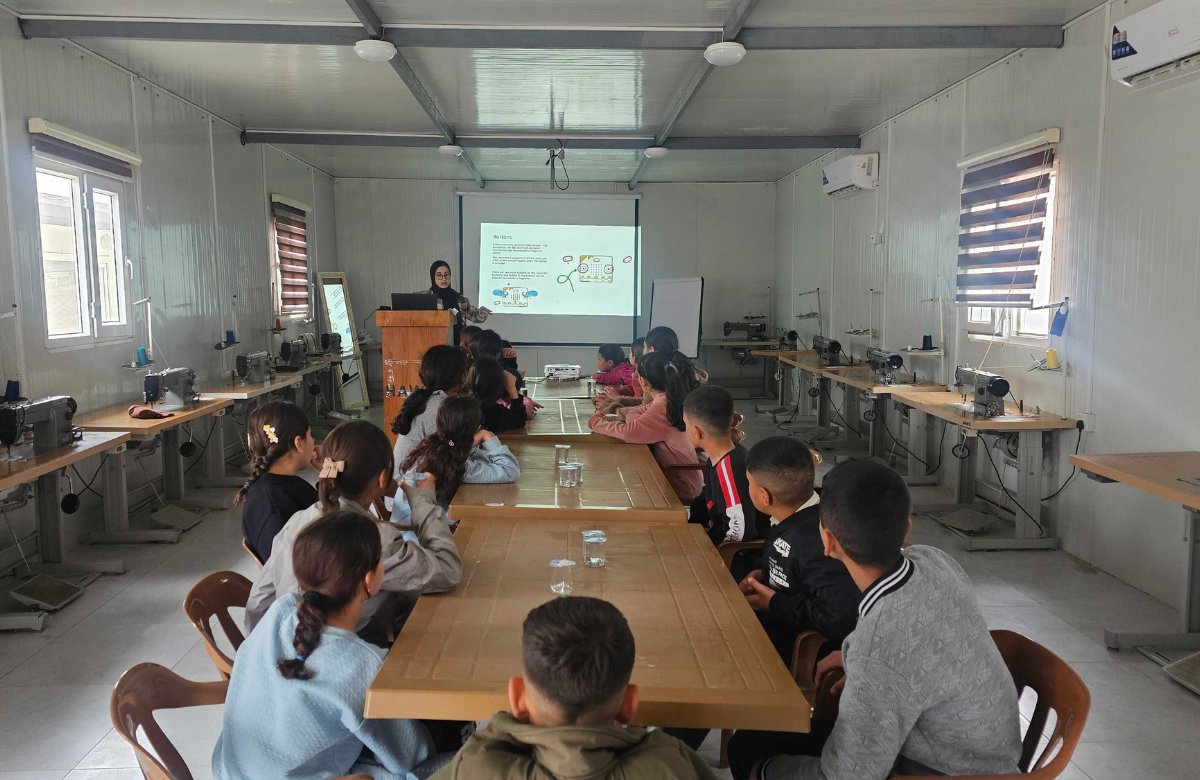
Digital Lab
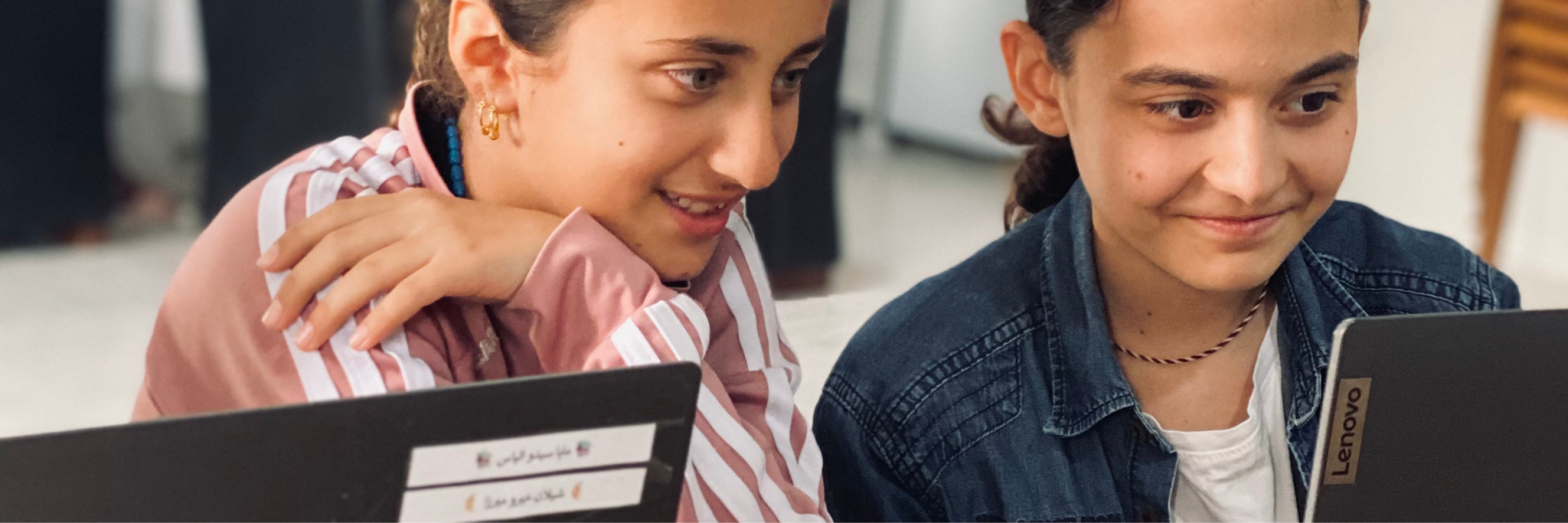
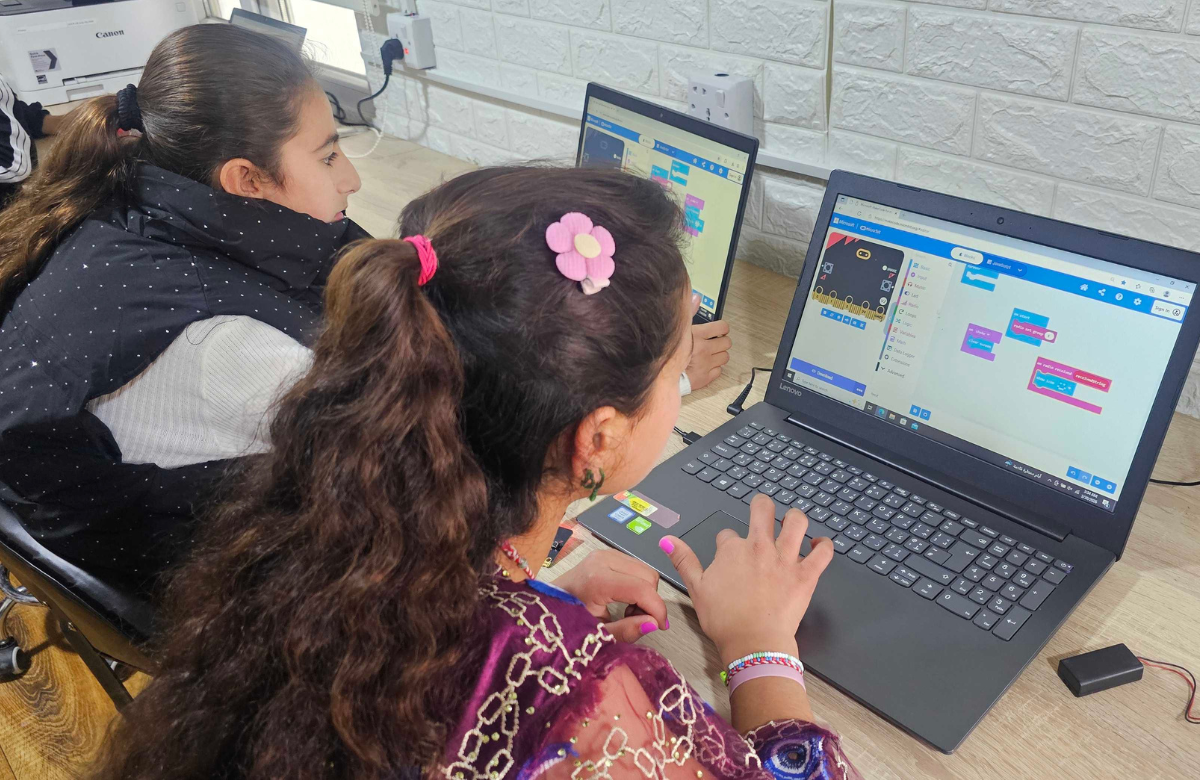
As part of the project, a dedicated Digital Lab was set up, where students aged 10 to 17 take part in weekly workshops on digital literacy, basic programming skills, coding, and creative technology. They develop essential computer skills and become familiar with modern technologies, which helps them build confidence and strengthens their problem-solving abilities. In addition, they gain access to new educational pathways in technological or engineering fields that would otherwise not be available to them.
Community Garden & Outdoor Learning Space
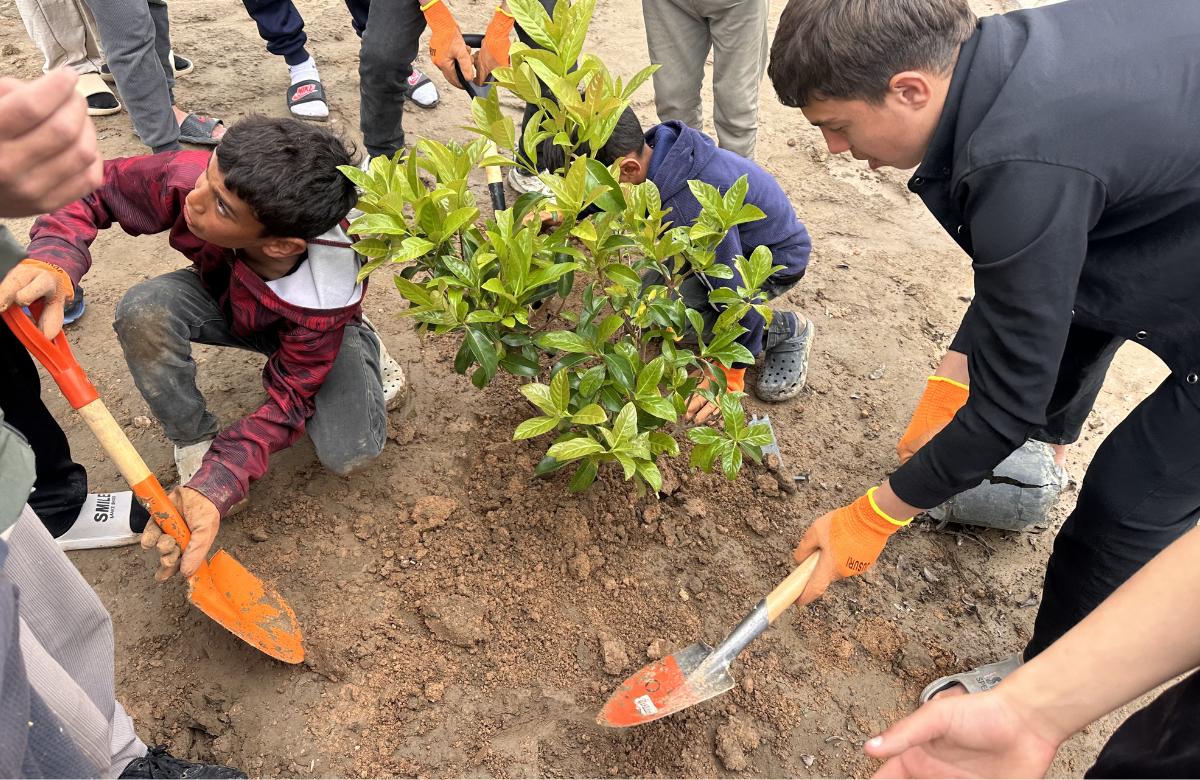
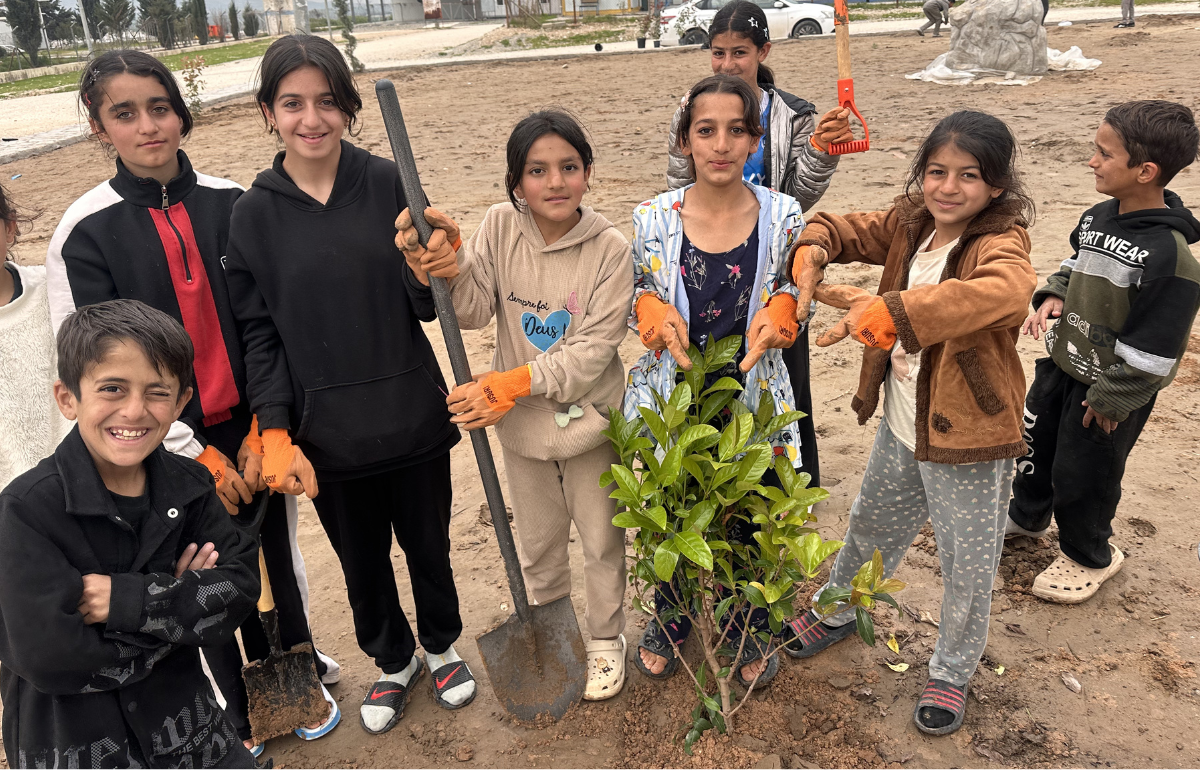
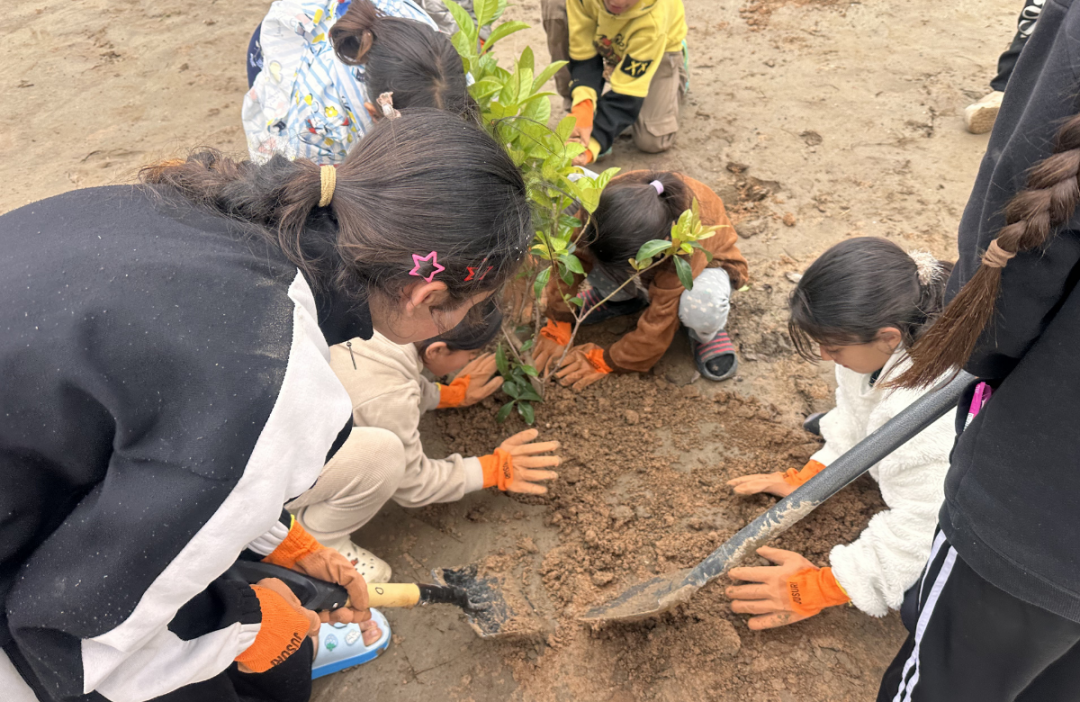
A second component of SPACES TO GROW is the transformation of an unused outdoor area into a community garden and playground, featuring green spaces, raised gardening beds, shaded seating, and play zones. Children aged 5 to 17 participate in environmental education sessions, gardening activities, and workshops on recycling and creative re-use. These activities foster teamwork, sustainability, and mental wellbeing in a calming, nature-based environment. Outside structured sessions, the garden functions as a recreational and relaxation space; a place to meet friends, read, or enjoy nature.
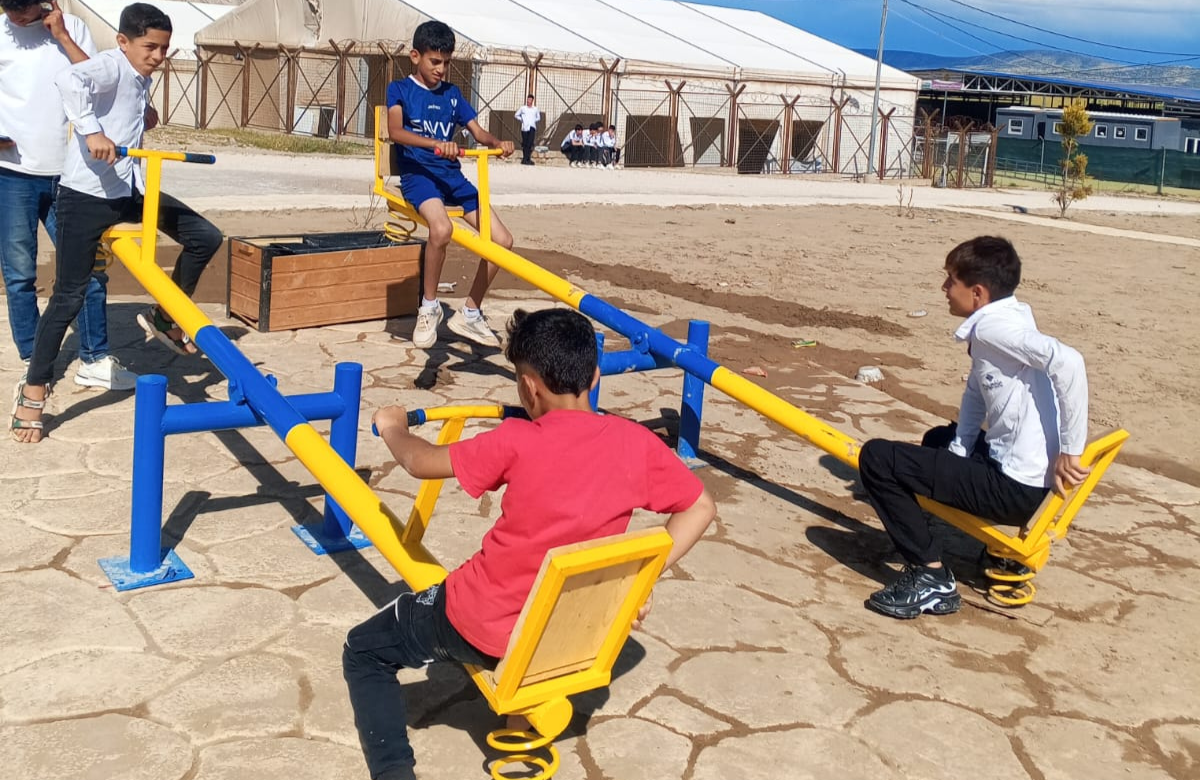
Together, the digital lab and community garden provide more than extracurricular activities—they create nurturing environments where children can learn, grow, recover from traumatic experiences, and imagine brighter futures. By repurposing unused spaces within the camp, the project improves daily living conditions and contributes to the long-term resilience of the Sharya community.
PARTNERS
With financial support from the State Parliament of Baden-Württemberg and the State Ministry of Baden-Württemberg through the Baden-Württemberg Foundation for Development Cooperation.
The publisher is solely responsible for the content.