IRAN
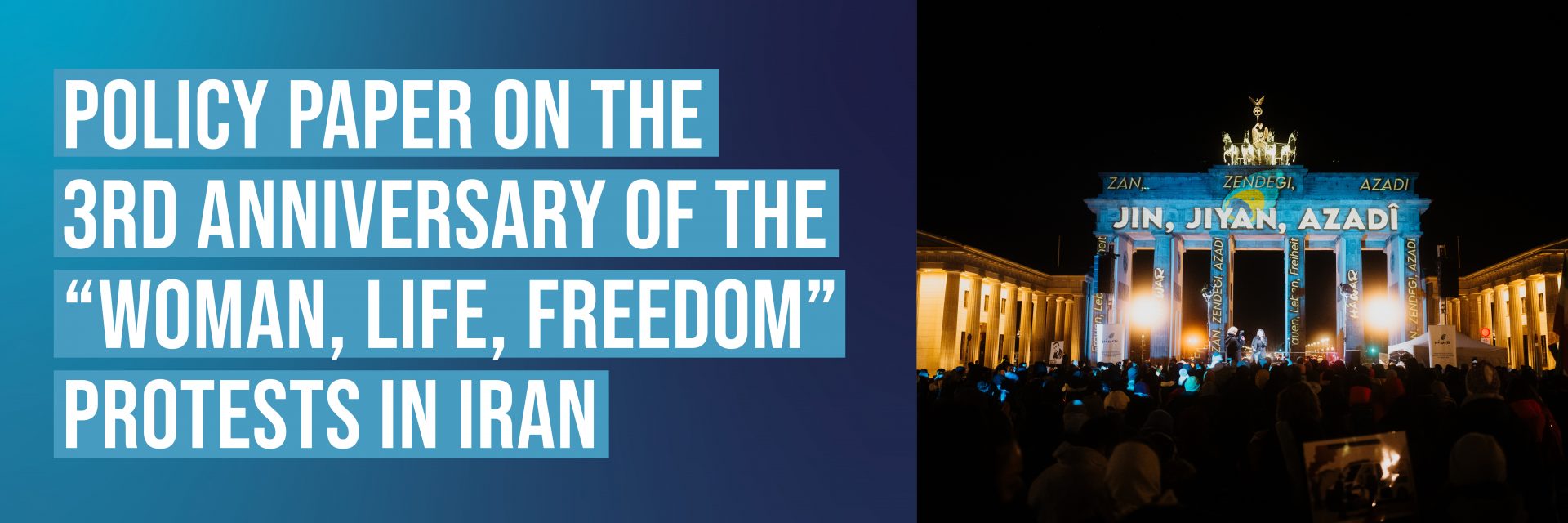
On September 13, 2022, 22-year-old Kurdish woman Jina Mahsa Amini was arrested in Tehran by the so-called morality police for allegedly not wearing the mandatory hijab “correctly.” While in custody, she was so severely abused that she had to be taken to a hospital. There, she succumbed to her serious injuries on September 16. Her murder triggered a global wave of protests: first in Jina’s hometown of Saqqez, where the slogan “Jin, Jiyan, Azadi” (Woman, Life, Freedom), originating from the Kurdish women’s movement, rang out loudly—and soon echoed throughout Iran and eventually around the world as people took to the streets.
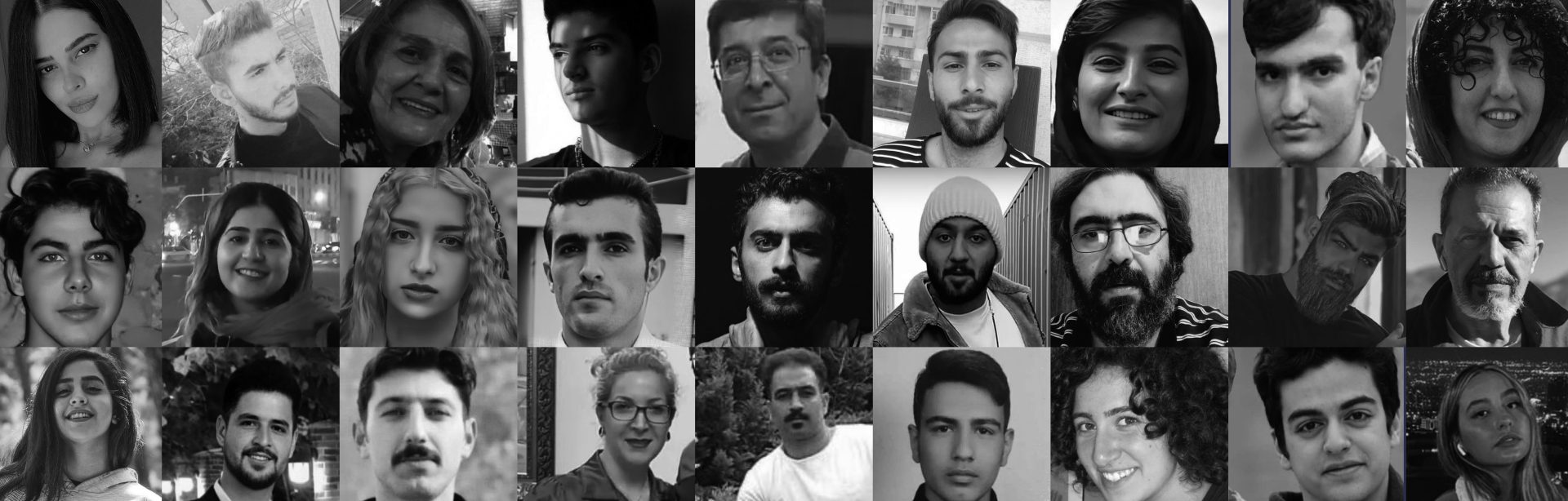
The regime of the Islamic Republic of Iran responded brutally and mercilessly. Thousands of protesters in Iran were arrested, charged, and sentenced in sham trials to long prison terms or even death. Beyond the protest movement, the regime in Iran has oppressed the population for decades and wages a systematic war against women, manifesting in gender apartheid.

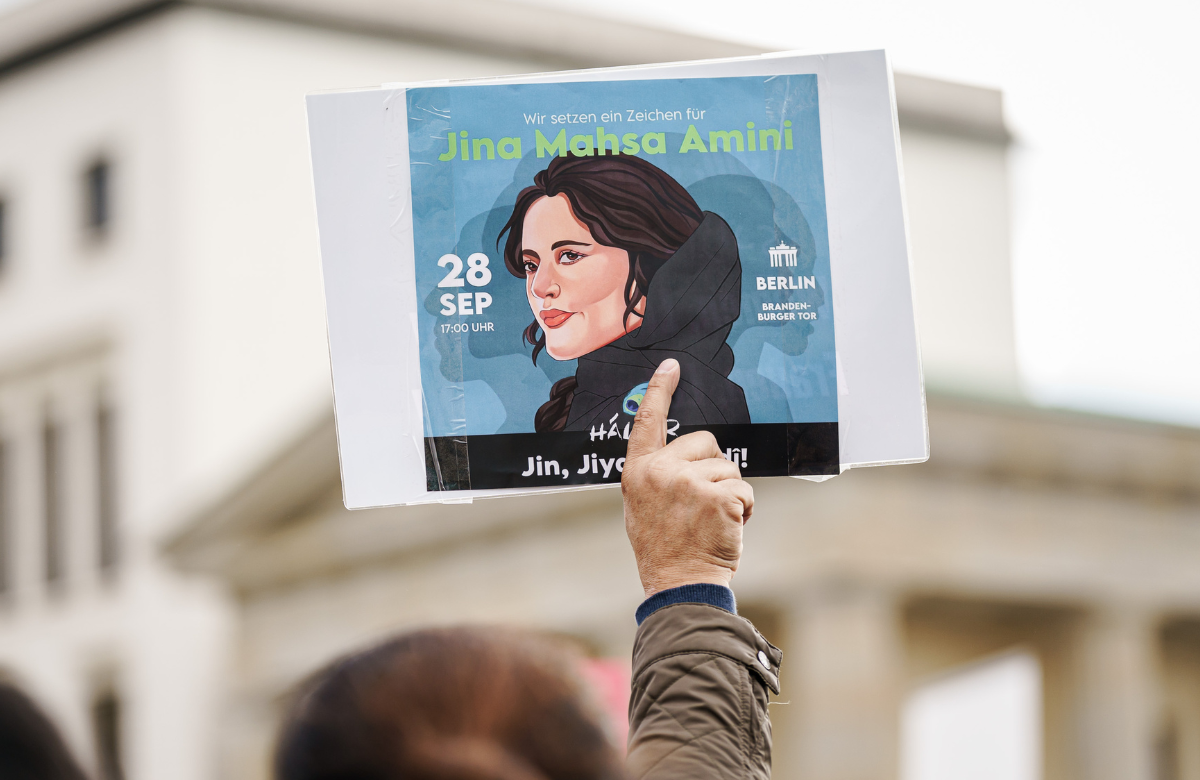
For years, people in Iran have been trying to free themselves from the Islamist dictatorship. Experts speak of an ongoing revolutionary process that repeatedly flares up, as is the case again three years later: at the end of December 2025, protests against the government erupted once more. Triggered by the country’s dire economic situation, merchants of the Grand Bazaar in Tehran went on strike and demonstrated. The protests quickly spread geographically and across social groups; soon they were no longer only about the economic crisis but about the entire governing system of the Islamic Republic of Iran. People loudly demanded regime change. Once again, the regime responded with brutality, violently suppressing the protests through the use of tear gas, beatings, gunfire, and arrests.
On the night of January 8 to 9, the regime imposed a nationwide internet shutdown—a tactic previously used to commit crimes against the population. Gradually, more and more footage reached the international public, revealing an unimaginably cruel massacre. On January 27, 2026, the human rights organization HRANA reported 6,221 verified deaths and a further 17,091 deaths currently under investigation, including minors. 42,324 people were arrested, and for most of them their whereabouts (as of early February 2026) remain unknown. The actual number is likely far higher. The exile media outlet Iran International reports 36,500 people killed within 48 hours on January 8/9 alone. If these figures are confirmed, the regime in Iran would have committed what is likely the worst massacre of civilians by firearms since the Second World War.
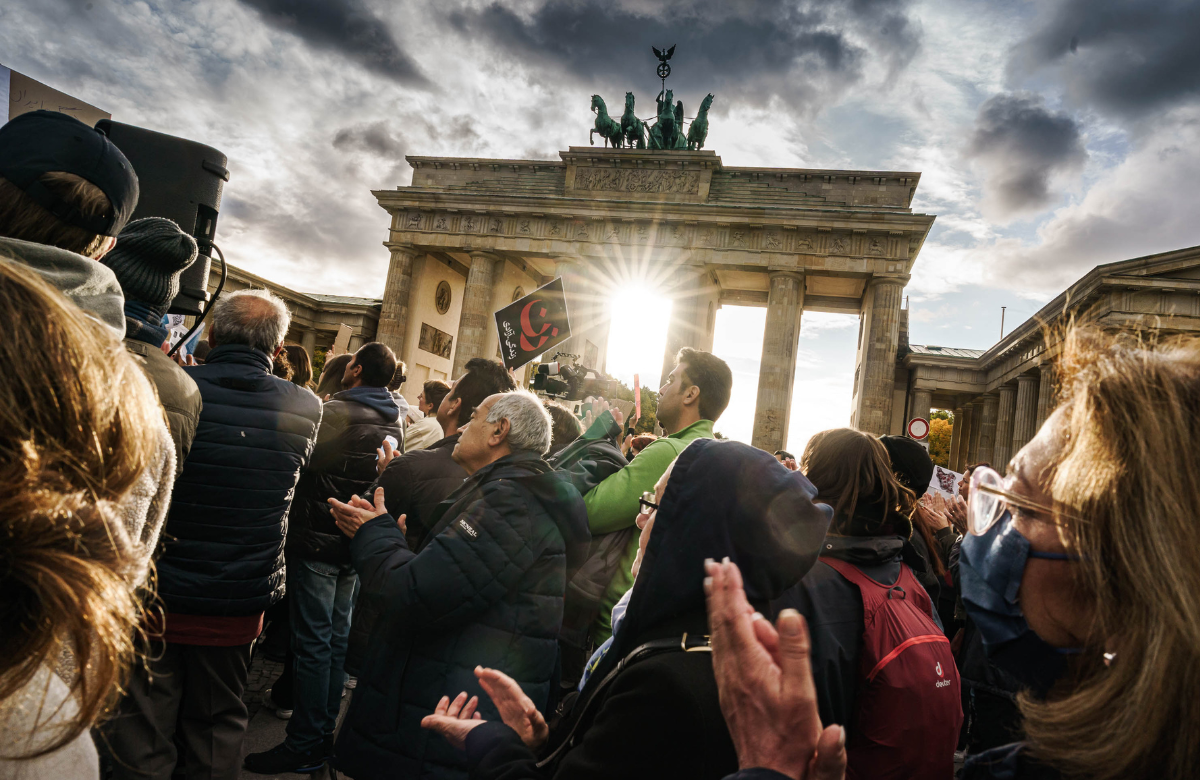
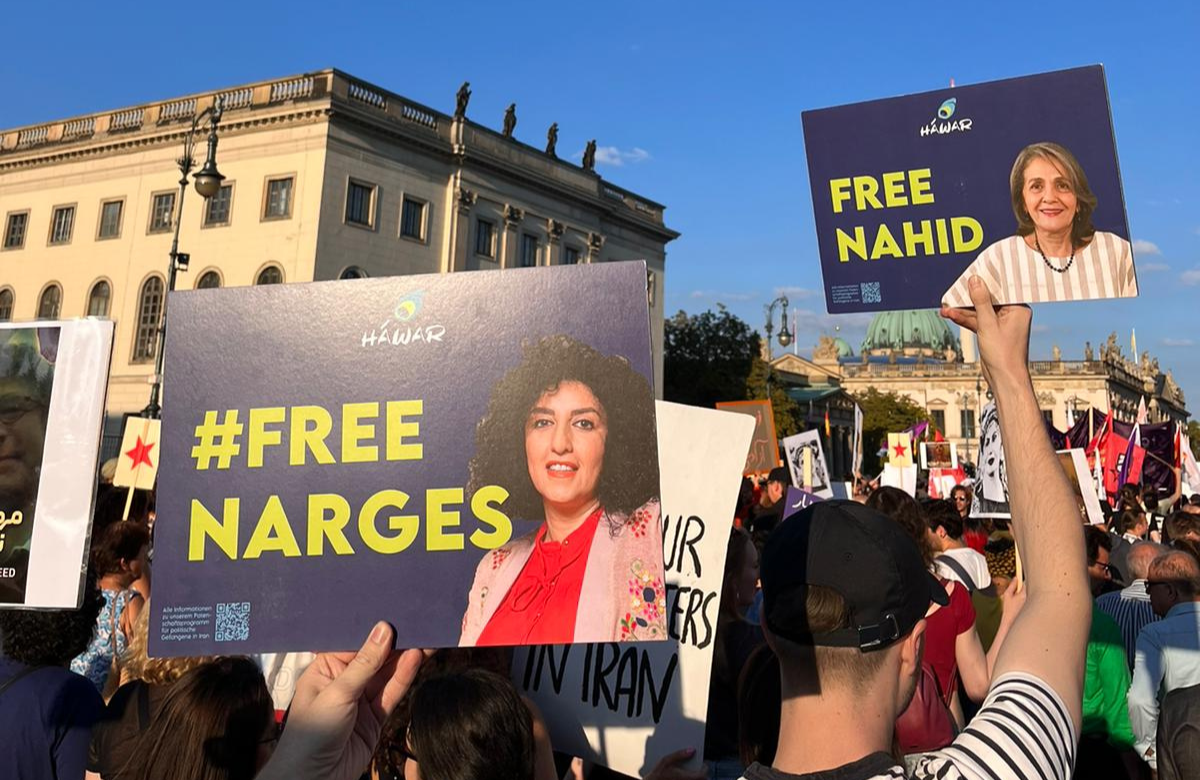
The desire for a self-determined life in freedom unites all recent protest movements in Iran. HÁWAR.help has accompanied both the feminist revolution and the most recent protests in Iran from the very beginning and sees itself as an amplifier of the freedom movement for human and women’s rights in Iran. It is precisely these rights that we advocate for internationally. Our work in support of the people in Iran focuses on several areas:
DONATE NOW